
The big moment of our Machu Picchu experience was finally there: we made it to the gates. After four days of biking, rafting and hiking, we were ready for the view from every postcard. Instead we were welcomed by hordes of tourists and fog so thick we couldn’t see ten metres ahead. This is why it’s important to check the best time to visit Machu Picchu. We got the giggles straight away from the biggest anticlimax ever.
About an hour later the fog started to lift. First the terraces appeared, then the peaks, then the whole citadel, right where the postcards had promised. On this page I share my full Machu Picchu experience: the trek, the costs and the best time to visit.
What Is Machu Picchu?
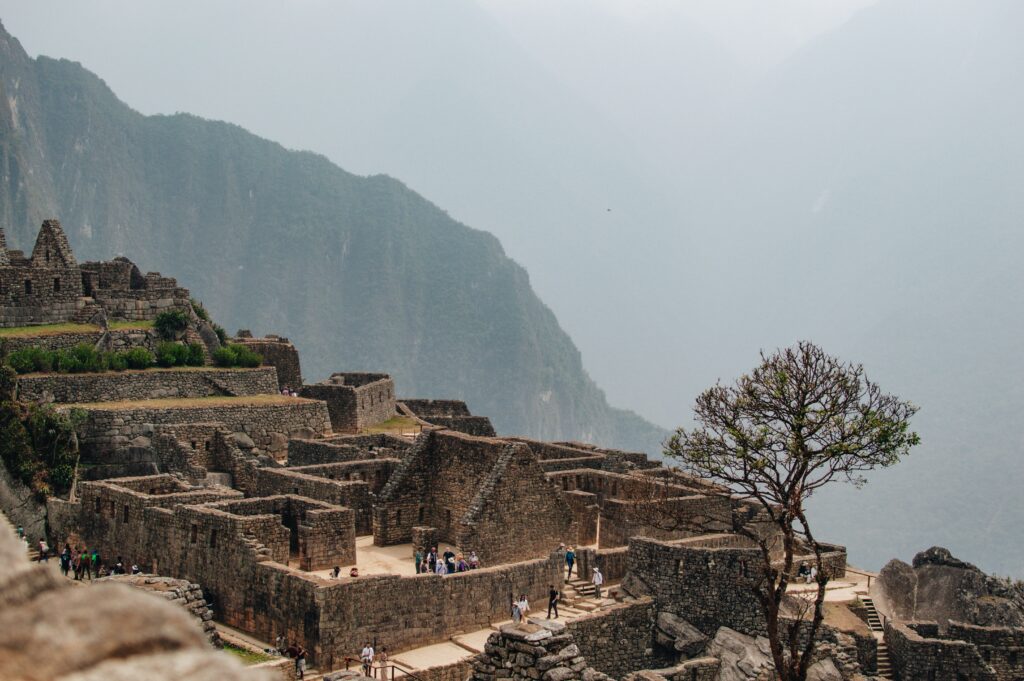
Machu Picchu is a 15th-century Inca citadel, perched at roughly 2,430 metres in the Cusco region of southern Peru. It sits on a ridge above the Sacred Valley, with steep jungle-covered peaks on every side. If you ever needed to hide a city, this would be the spot.
The Inca built it around 1450 under emperor Pachacuti. Less than a century later it was abandoned, probably because of the Spanish conquest. The Spanish never found it, which partly explains why it’s still in such good shape.
In 1911, American historian Hiram Bingham put it on the map for the rest of the world. The locals were less impressed, because they’d known it was there all along. Today it’s a UNESCO World Heritage Site and one of the New Seven Wonders of the World. Around 1.5 million people visit every year, with good reason.
How to Get to Machu Picchu
No road connects Machu Picchu to Cusco. Every route involves some combination of train, bus, walking or multi-day trek.
| Route | Duration | Cost (approx.) | Book ahead? | Best for |
| Train and bus | 1.5–3.5 hours one way | $206–276 incl. entry | Weeks, months in high season | Short trips and tired legs |
| Classic Inca Trail | 4 days, 3 nights | $600–1,000+ | Months, sometimes a year | Planners with a big budget |
| Inca Jungle Trek | 4 days, 3 nights | ~$175 all-in (what we paid) | No, book in Cusco | Adventure on a backpacker budget |
The Classic Route: Train and Bus
Most people on a short trip take the train from Cusco or Ollantaytambo to Aguas Calientes (the town at the base of the mountain). The train takes about 3.5 hours from Cusco or 1.5 hours from Ollantaytambo. PeruRail and Inca Rail both operate the route. Tickets need to be booked well in advance, especially in peak season. From Aguas Calientes, buses run regularly up to the site entrance.
It’s the fastest and most comfortable option, but also on the pricey side. Total cost for this Machu Picchu experience (both ways) are:
- Roughly $120-190 for the train
- $24 for the bus
- The entry ticket of $62.
The Inca Trail
The classic Inca Trail is a four-day, three-night trek through cloud forest and Inca ruins. Its final destination is the famous Sun Gate entrance to Machu Picchu at sunrise.
The catch: permits are limited to 500 people per day and sell out months in advance, sometimes up to a year ahead. You must go with a licensed operator. If this is on your list, book early. We wanted to do this trek, but it was sold out.
The Inca Jungle Trek: My Machu Picchu Experience
This is what we did and what I’d recommend if you want a real Machu Picchu experience, rather than just rocking up at the gates. We booked the Inca Jungle Trek through one of the many small agencies around the Plaza de Armas in Cusco. The Inca Jungle Trek is not an official Inca Trail, because it follows different routes through the Sacred Valley.
Prices are very negotiable and we ended up paying around $175 all-in for four days. This price included accommodation, meals, guides, equipment and the entry ticket.
| Day | What you do |
| Day 1 | 42 km downhill on a mountain bikeWhite-water rafting |
| Day 2 | 9 hours of hiking through the mountainsHot springs |
| Day 3 | Zip-lining to start the day off strong3-hour walk along the railway |
| Day 4 | Walk 1,707 steps to the ruinsSee Machu Picchu in real life |
Day 1: A Mountain Biking and Rafting Adventure
Day one starts with a three-hour drive to the top of a mountain. There they hand you a bike and point you 42 kilometres downhill into the cloud forest. Part of the route goes straight through the clouds, which is as much fun as it sounds.

Some people in our group took it very seriously. They rode with one knee out in the corners, leaning forward as if they were in the Tour de France. After lunch we went straight into white-water rafting on the Urubamba River. I’d never rafted before and loved every second of it. The day ended in a sauna, which was just what we needed.
Day 2: Hiking All Day With the Best Views
Day two is nine hours of hiking through the mountains. It’s the toughest day of the trek and also the most beautiful. The views from the higher sections are some of the best I saw anywhere in South America.
Some paths are narrow, with a big drop on one side. On those stretches the scenery is lovely, but you’ll mostly be admiring your own feet. At the end of the day we soaked in hot springs. I have never felt more deserving of anything in my life.
Day 3: Zip-Lines, Railway Tracks and Blisters
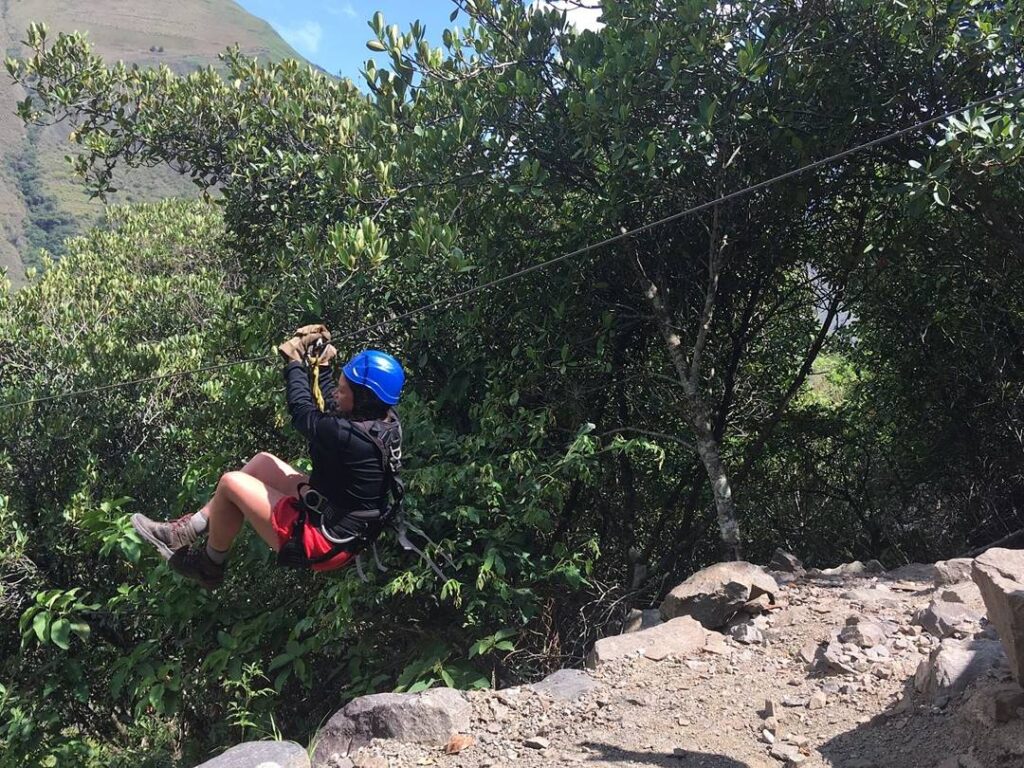
Day three starts with zip-lining, which beats coffee as a way to wake up. After lunch comes the least glamorous part of the whole trek. You walk three hours along the train tracks to Aguas Calientes, the village at the foot of Machu Picchu.
It’s completely flat, there’s almost nothing to look at and it goes on forever. I cursed every single step of it, silently. By the time we arrived, both my feet were covered in blisters. We had a beer, ate dinner and went to bed early. The alarm was set for 3.30am, which should be illegal.
Day 4: Very Foggy Machu Picchu Experience
On day four we walked back along the same tracks in the dark. We reached the bridge at 5am and joined a queue of equally sleepy hikers. From there you can climb 1,707 steps, which takes about an hour, or take the bus for $12. We walked, of course.
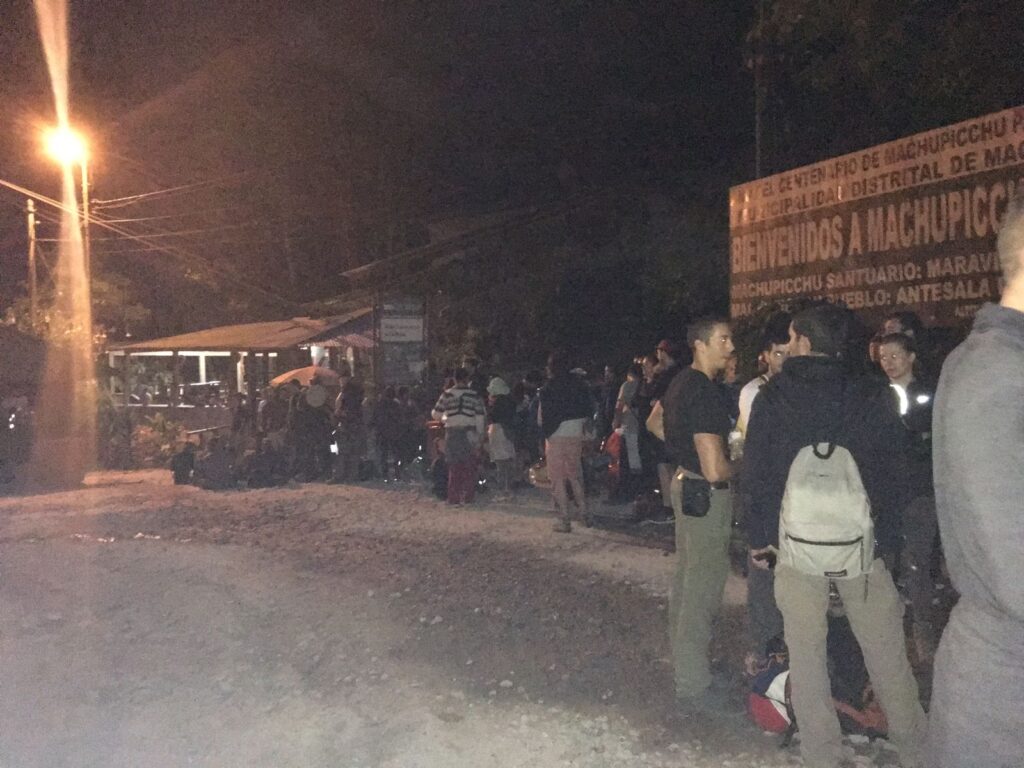
We reached the top around 6am, sweaty, smelly and completely broken. The buses had beaten us to it. The entrance was already packed with tourists in clean clothes, looking fresh and well rested.
One woman got off the bus and walked ten steps down for a photo, in a tight dress and heels. She stood there in full make-up, pulling a duckface with a peace handgesture. Meanwhile the rest of us trudged past her, filthy and dripping with sweat. Part of me wanted to give her a gentle push down the rest of the stairs. I didn’t, for the record.
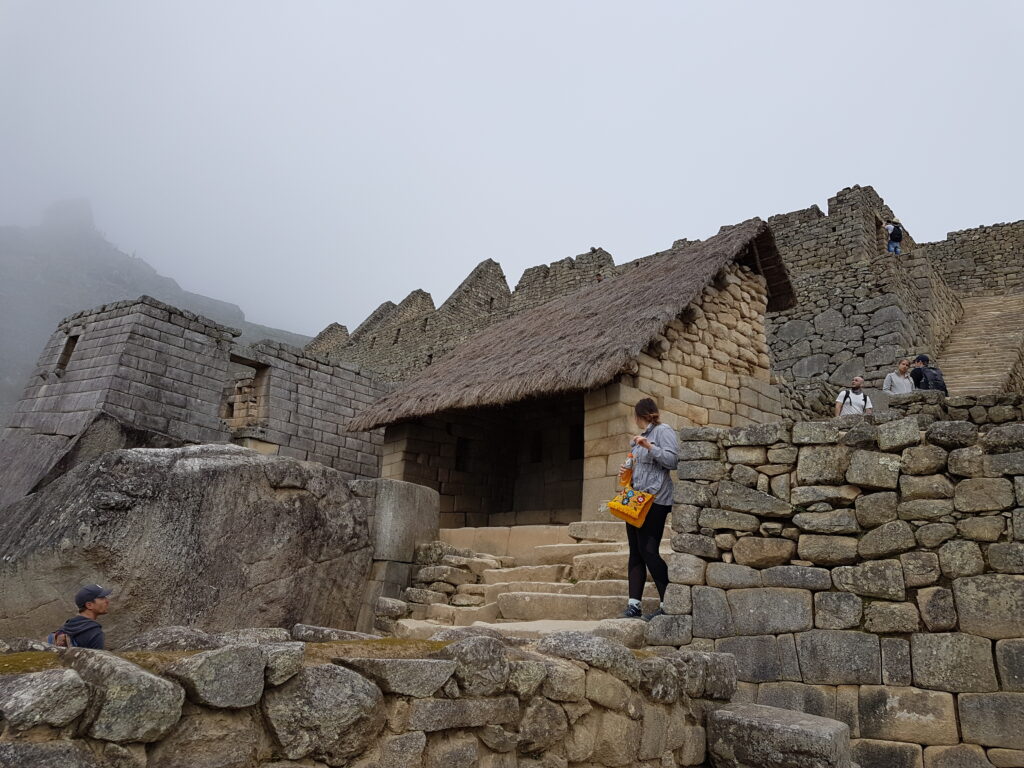
Then we finally walked in for our first view of Machu Picchu. We saw absolutely nothing. The whole site was hidden in a thick white cloud, and the only thing clearly visible was other tourists.
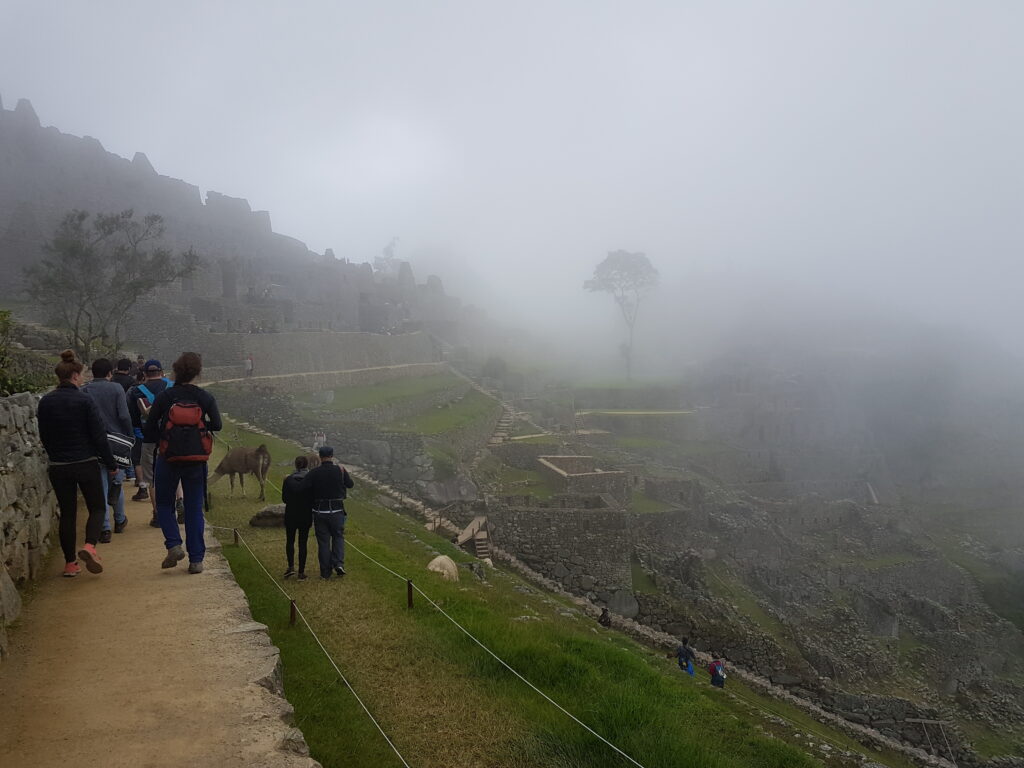
So far, our Machu Picchu experience consisted of blisters and a very expensive view of fog. We had a good laugh about it, with a small voice in my head asking what on earth we had done all that for.
We joined the guided tour while the weather made up its mind. Unfortunately my brain was as foggy as the view, so most of the history went straight over my head. About an hour later the cloud lifted, like someone pulling back a curtain. And there it was, exactly like the postcards.
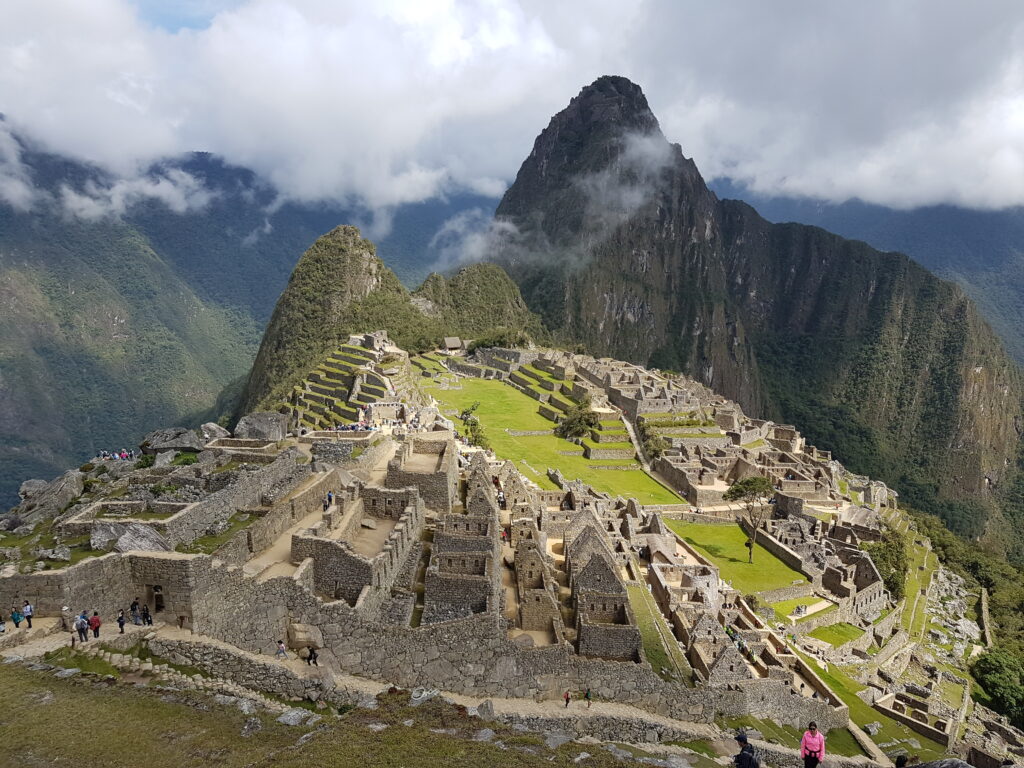
My Machu Picchu experience: Beautiful, but a Bit Too Perfect
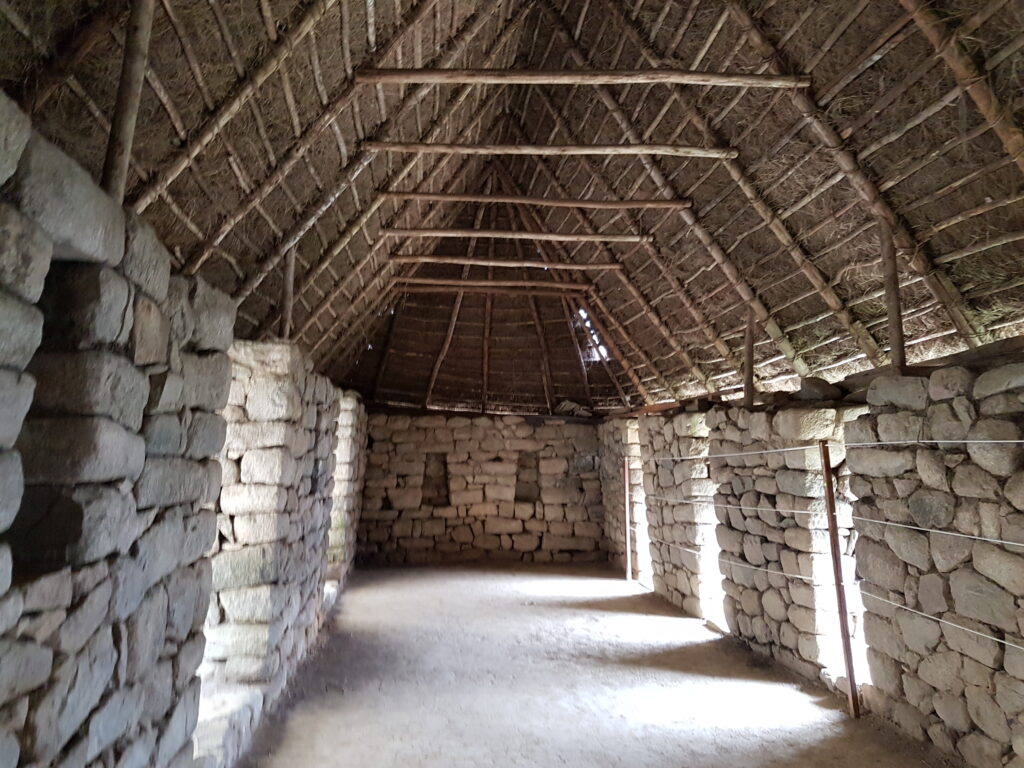
Machu Picchu looks incredible, I can’t deny that. Up close it’s almost too perfect, neatly restored with not a stone out of place. I’m not convinced it looked this tidy when the Inca lived there. Looking back, the woman on the stairs summed up my Machu Picchu experience pretty well. Machu Picchu is beautiful and worth seeing, but parts of it felt staged. It’s a lot of show: very pretty, but a little bit fake.
Machu Picchu Elevation: What to Expect
At 2,430 metres, Machu Picchu sits about 1,000 metres lower than Cusco. So if you can handle Cusco, the Machu Picchu elevation will be easy for you. If you’re coming from sea level, give yourself at least two days in Cusco to acclimatise before heading to Machu Picchu. Altitude sickness is real and it will ruin your trip if you rush it. Headaches, nausea and fatigue can hit anyone, regardless of fitness level.
The Inca Jungle Trek starts at around 4,300 metres and drops down over four days to Machu Picchu’s elevation. By the time you arrive at the site, your body has adjusted gradually. We came to Cusco after travelling Bolivia, so we were already used to the altitude.
Best Time to Visit Machu Picchu
The dry season runs from May to October. For most people, this is the best time to visit Machu Picchu. Expect clear skies, better views and significantly more tourists. June and July are the busiest months. If you’re going in peak season, book everything months in advance.
The rainy season runs from November to April. Rain is frequent and the site can be shrouded in cloud for days at a time. That sounds off-putting, but there are real advantages: fewer crowds, lower prices and a different kind of atmosphere. The ruins look dramatic in the mist. We went in December, which is not technically the best time to visit Machu Picchu, but we got lucky.
So, the best season to visit Machu Picchu depends on what you hate more: rain or crowds. Here’s a summary:
- Best months overall: May and September hit the sweet spot. These months have dry season weather without the absolute peak of June-July crowds.
- Avoid: January and February, when rainfall is heaviest and some trails (like the Inca Trail) close.
- Budget travellers: November and April offer shoulder season prices with a reasonable chance of decent weather.
How Much Does Machu Picchu Cost?
A Machu Picchu experience can be expensive. Here’s a breakdown:
| Cost | Amount |
| Entry ticket | ~$60 USD |
| Train (Ollantaytambo return) | ~$120-190 USD |
| Bus (Aguas Calientes to entrance) | ~$24 USD return |
| Inca Trail (4 days, guided) | $600-1,000+ USD |
| Inca Jungle Trek (4 days, all-in) | ~$150-250 |
| Accommodation in Aguas Calientes | $15-80 per night |
The entry ticket must be booked in advance at tuboleto.cultura.pe. Don’t leave this until the last minute, because slots sell out, especially in peak season.
The train is the biggest single cost for travellers. If budget is a concern, the Inca Jungle Trek makes more sense because it bundles transport, accommodation, activities and the entry ticket into one price that ends up cheaper than piecing it together separately. The trek also turns a day trip into a proper Machu Picchu experience.
Machu Picchu’s Wilder Cousin in the North
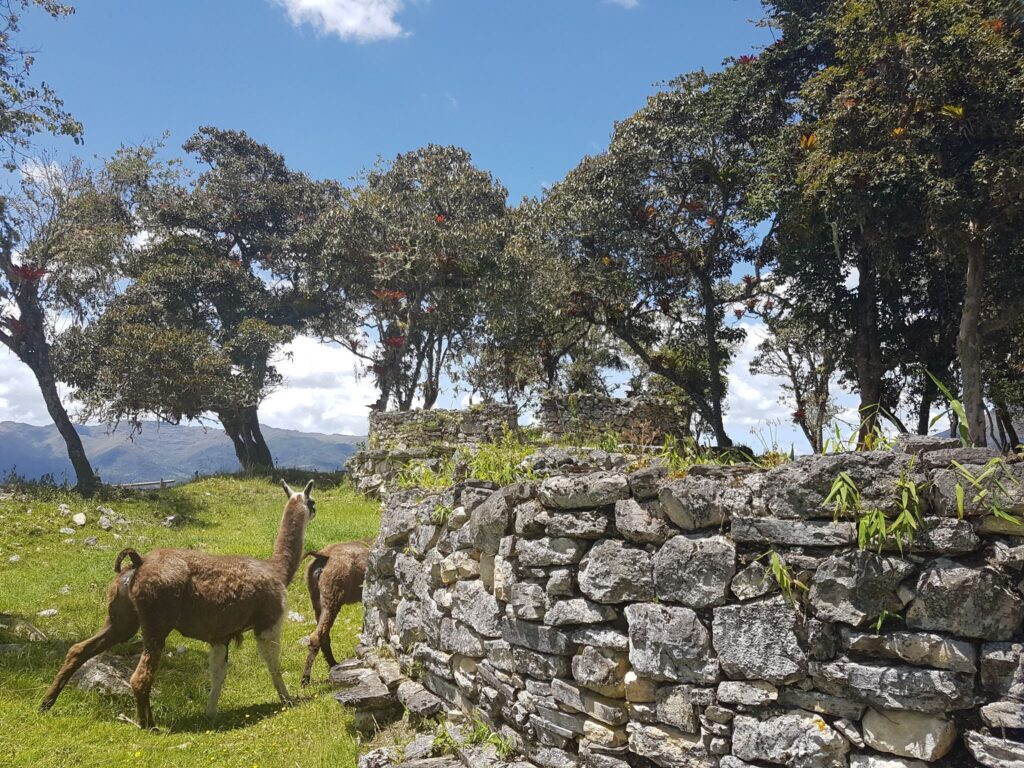
I visited Kuelap in northern Peru on the same trip. It’s a fortress built by the Chachapoyas, the Cloud Warriors, long before the Inca arrived. Both sites are impressive, but they feel nothing like each other.
Machu Picchu is grand, polished and carefully managed. Kuelap is crumbling and wild, with trees growing through the floors and moss on every wall. On the day we went, there were hardly any other tourists.
Machu Picchu is the one most people should see first. If you’re heading through northern Peru though, Kuelap is worth the detour. I wrote a full Kuelap vs Machu Picchu comparison if you want to know which one won me over.
Practical Tips for a Machu Picchu Experience
- Book ahead, but not everything. Entry tickets, trains and Inca Trail permits sell out, sometimes months in advance. The Inca Jungle Trek is the exception: we booked ours in Cusco, entry ticket included.
- Go early. Morning is also the best time to visit Machu Picchu if you want softer light. Don’t expect it to be quiet though: even at 6am, the buses had beaten us to it.
- Acclimatise in Cusco first. Give it two days minimum, preferably more. Your lungs will thank you on those 1,707 steps.
- Hire a guide. The site is full of astronomical alignments, clever construction and history. Without someone explaining it, you’re mostly looking at very neat stones.
- Bring layers. Mornings at Machu Picchu elevation are cold, and clouds roll in fast. We went from shivering in the queue to warm sunshine within two hours.
- Leave the big backpack behind. Bags over a certain size aren’t allowed inside, so check the current rules before you go.
- Pack water and snacks. There’s nowhere to buy food inside the site. The restaurant by the entrance gate exists, but so do its prices.
- Take your time. Allow at least three hours inside. Most circuits take two to three hours, and you’ll want time to just sit and stare.
Where to Stay Near Machu Picchu
Aguas Calientes is the town at the foot of the mountain and the base for most visitors. Budget hostels start from around $15 a night. It’s not the prettiest town you’ll ever see, but it has plenty of restaurants and does the job. After three days of trekking, a bed and a beer were all we needed anyway.
Cusco is where your Machu Picchu experience will most likely start and where you book your tours. I ended up spending 1.5 weeks there, longer than anywhere else in Peru. Inca walls hold up colonial Spanish streets, the food is good and the backpacker scene is lively. Give yourself a few days, for the altitude and for the city itself.
Machu Picchu Experience: Is It Worth It?
Yes, it is. Machu Picchu is expensive, busy and takes a lot of effort to reach. It’s one of those places which you’ve seen a million times in travel magazines and documentaries. Parts of it felt a bit too polished for me, like a postcard someone had tidied up. But, when you’re standing there, up those mountains, it does feel like you’re in a very special place.
If you can, do the Inca Jungle Trek. Arriving on your own two feet makes the view feel earned. The woman in heels had a very different Machu Picchu experience.