
The first thing that struck me about Kuelap Peru was how quiet it was. No queues, no timed entry groups, no one selling bottled water for three times the price. Just jungle, ancient stone and an amazing view over the Utcubamba Valley.
I’d done the Inca Jungle Trek to Machu Picchu a few weeks before. The tour was four days of hiking, mountain biking and rafting to get there, arriving at the top sweaty and broken while tourists fresh off the bus strolled past in clean clothes and high heels. It was spectacular, but had a few massive downsides, like the crowds, the price and how “polished” it all felt. Kuelap was the opposite in those regards, which made the place feel very authentic.
What Is Kuelap Peru?
Kuelap is a pre-Inca fortress built by the Chachapoyas civilisation, dating back to around the 6th century AD. It sits at roughly 3,000 metres above sea level in the Amazonas region of northern Peru, overlooking the Utcubamba Valley.
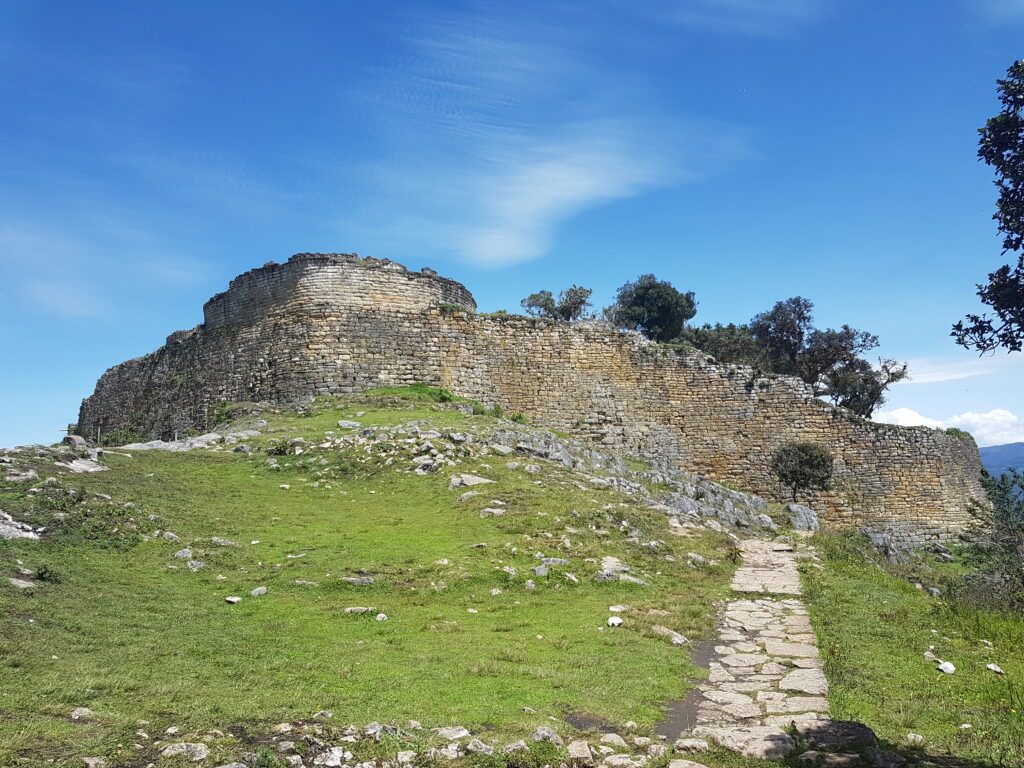
The outer walls reach up to 20 metres high. Inside there are around 420 circular stone structures (houses, ceremonial buildings, storage) spread across a site that stretches 582 metres long. The Chachapoyas, known as the Cloud Warriors, controlled this region for nearly a thousand years before the Inca conquered them in the 1470s.
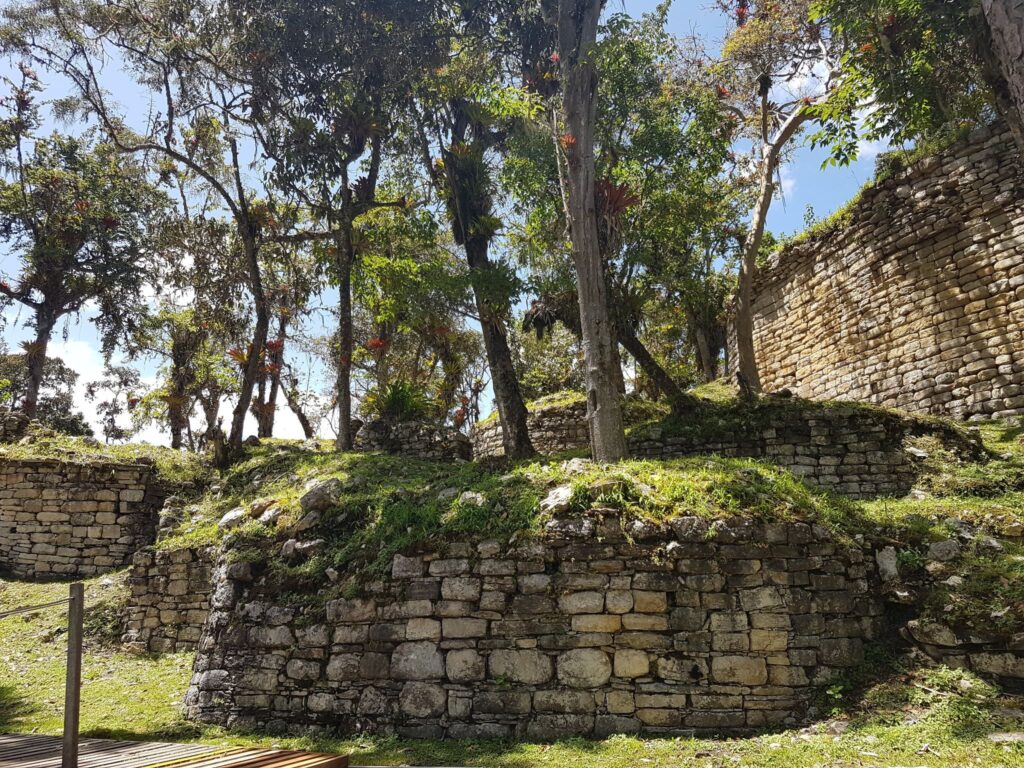
What makes Kuelap Peru different from most ancient sites is how little has been done to it. Nature has taken over here. Ever wondered what would happen to a city if people left it alone for a few centuries? What would happen to the buildings, the infrastructure, the wildlife? Kuelap will show you. Moss and bromeliads cover the stone walls, trees grow through the structures and the jungle presses in from every direction. It looks like a place that hasn’t been touched in centuries, because most of it hasn’t.
Kuelap vs Machu Picchu: What’s the Difference?
Machu Picchu is polished. The paths are clear, the grass is nicely mowed, the signage is extensive, the restoration is meticulous. It’s also extremely crowded, expensive to reach and tightly controlled. Daily visitor numbers are capped and timed entry slots are mandatory. The experience is undeniably impressive, but it’s a managed impression. You see exactly what they want you to see, in the order they want you to see it.
Kuelap Peru feels untouched. Nature hasn’t been pushed back to make room for the tourists; it’s still very much in charge. It seems raw, which makes it impressive in a different way than Machu Picchu. In the 1,500 years since it was built it hasn’t been carefully curated for your benefit.

I’ve done both while travelling Peru. Machu Picchu is one of the great wonders of South America and I wouldn’t tell anyone to skip it. But if you want the feeling of standing somewhere ancient and real, without the crowds and without spending a fortune to get there… Kuelap is the winner.
| Kuelap Peru | Machu Picchu Peru | |
| Entry ticket | €5 | €60 |
| Transport | Bus Chachapoyas → Nuevo Tingo: €2 + cable car: €6 | Train + bus: ~€120-180 |
| Tour | All inclusive: ~€20 | Multi-day tour: €160-500+ |
| Altitude | 3,000 metres | 2,430 metres |
| Age | Built from the 6th century AD | Built ~15th century AD |
| Visitors per year | ~70,000 | ~1.5 million |
| Max visitors per day | 864 | ~4,500 |
| Crowds | Quiet and intimate | Extremely busy — timed entry required |
| State of preservation | Largely untouched — nature has taken over | Restored and manicured |
| English guide | Arrange in Chachapoyas | Available everywhere |
Getting to Kuelap from Chachapoyas
Like almost everyone, we based ourselves in Chachapoyas. It’s a small, unhurried city about an hour from Kuelap Peru by road. It has guesthouses for every budget, a few restaurants and a relaxed pace.
From Chachapoyas to Kuelap:
Take a colectivo (shared minibus) from the Terminal Terrestre to Nuevo Tingo. The journey takes about an hour and costs around 15 soles. From Nuevo Tingo, the cable car takes you up to the site in 20 minutes.
The cable car was the first ever built in Peru, opened in 2017. Before that, the only options were a hair-raising mountain road by car or a 9km, 4-hour hike up from Tingo Viejo gaining 1,200 metres in altitude. The hike is still technically possible but verify locally whether it’s still an official route. Most visitors use the cable car nowadays.
Important things to know before you go:
- Kuelap Peru is closed on Mondays
- Daily visitor numbers are capped — book your entry ticket in advance at tuboleto.cultura.pe
- Tours from Chachapoyas leave around 8-9am and include transport and cable car
- Independent visits are possible — colectivo + cable car ticket + entry ticket
- An English-speaking guide needs to be arranged in Chachapoyas, not on site
Getting There: The Northern Peru Route
Kuelap doesn’t sit on any major tourist trail, which is part of the appeal. Most people coming from Huaraz do it in stages:
- Huaraz → Trujillo: overnight bus, around 7-8 hours;
- Trujillo → Chachapoyas (Kuelap): overnight bus, around 10-12 hours;
- Kuelap/Chachapoyas → Mancora: bus via Chiclayo, around 13-16 hours with a transfer.
We took overnight buses between each stop to save on accommodation. They were long journeys, but that was the cheapest way to get there.
How Much Does Kuelap Cost?
| What | Price |
| Entry ticket | 20 soles (approximately €5) |
| Cable car return | 26.50 soles (approximately €6.50) |
| Colectivo from Chachapoyas | ~15 soles each way (~ €4) |
| Guided tour from Chachapoyas | around 80 soles all-in (€20 for transport, cable car, entry, lunch) |
Total for an independent visit: roughly €15-20. Total on a tour: roughly €20-25 including lunch. For context: that’s around 5-10% of the price you would spend for Machu Picchu.
What to Expect at Kuelap Peru
The cable car drops you near the entrance. From there it’s about a 1km walk to the citadel itself. Then you’re inside.
The three entrance corridors are the first things that hit you. They are narrow stone passageways that funnel you in single file, forcing you to duck and squeeze through. They were designed that way deliberately, to slow down attackers and give defenders the advantage.
Inside, the circular stone buildings are everywhere. Some of them are partially restored, but most are left exactly as the jungle left them. Walls disappear under moss, trees have grown through the floors of structures and bromeliads hang from everything. A specialist guide will point out the geometric friezes carved into certain buildings, barely visible under centuries of growth.


The views over the Utcubamba Valley below are breathtaking on a clear day. Clouds roll through regularly at this altitude, which adds to the mystic atmosphere. Allow at least 2-3 hours inside the site. If you’re doing a tour it’ll be structured for you. If you’re independent, take your time.
Where to Stay Near Kuelap Peru
Chachapoyas is by far the most practical base. It has the most accommodation options, the best transport connections and the tour agencies for Kuelap Peru visits.
It’s a pleasant town; unhurried, local, not overrun with tourists. The Plaza de Armas is relaxed, the food is cheap and good and most people you meet there are Peruvians rather than backpackers passing through.
Budget hostels and guesthouses in Kuelap Chachapoyas run from around €5-20 a night. Mid-range options are available for €25-40. There are no luxury hotels to speak of, which is entirely fine.
Is Kuelap Worth It?
Yes. Without hesitation.
What makes it worth it isn’t just the ruins themselves, impressive as they are. It’s the feeling of the place. Kuelap Peru hasn’t been manicured for mass tourism. The nature is still in charge. The crowds that define Machu Picchu simply don’t exist here. You can stand in front of a 1,500-year-old structure in near silence, with nothing between you and it except the jungle growing through it.
Tourism is increasing slowly. The cable car doubled visitor numbers when it opened in 2017, but the logistical effort of getting to Chachapoyas in the first place keeps the crowds manageable. There are no direct flights from most major hubs and the bus from Lima takes 22-24 hours. That effort filters out most of the tourists in the south and leaves the place feeling undiscovered. It has the same feeling of authenticity that I felt during my Bolivia trip.
Because most vacation-goers stay in the south when they visit Peru, it is very out of their way. If you’re passing through the north of Peru, this is a stop I would highly suggest you make. Personally I found the way to Machu Picchu more fun, but the ruins of Kuelap more of a mystic and special experience.
Practical Information
| Location | Amazonas Region, northern Peru, ~40km from Chachapoyas |
| Altitude | ~3,000 metres |
| Opening hours | Daily except Monday, 8am-6pm (last entry 4pm) |
| Entry ticket | 20 soles, book in advance at tuboleto.cultura.pe |
| Cable car | 26.50 soles return, closed on Mondays. Check the cable car is running before you go. Ours wasn’t, so we had to come back the next day. |
| Best season | May-September (dry season, clearest skies) |
| Getting there | Colectivo from Chachapoyas to Nuevo Tingo, then cable car |
| Base city | Chachapoyas |
Conclusion
Kuelap Peru is the kind of place that surprises you in a different way. It’s a place you had probably never heard of before, at least I hadn’t. Then when you arrive you can imagine the Cloud Warriors roaming around on these lands. It’s still raw, still overgrown, still itself.
I went to Machu Picchu and I’m glad I did. But Kuelap is the one I think about more. It felt like standing in history, not in a tourist attraction.
If you’re planning a trip through northern Peru, Kuelap belongs on your route. It’s an easy stop between Huaraz and Mancora. Give yourself at least two nights in Chachapoyas, in case the cable car takes a day off like ours did. The bus rides are long, but Kuelap makes up for every hour of them.