
Backpacking Peru is an adventure full of extremes. One day you’re standing in the clouds above Machu Picchu, legs still burning from four days of trekking. The next you’re sandboarding down enormous dunes next to a desert oasis that looks unreal. Then a 12-hour night bus through the mountains, and suddenly you’re at an Inca ruin you’d never heard of that turns out to be the highlight of the whole trip.
Planning a trip to Peru is essentially planning several different trips at once. This is what I know after travelling the country for five weeks, from Lake Titicaca in the south all the way up to Mancora on the northern coast. On this page I share our route, how much I spent and everything I wish I had known before I went.
Why Peru?
Peru keeps raising the bar. Every time you think you’ve seen the highlight, the next stop quietly outdoes it. Cusco is beautiful and chaotic, and Machu Picchu lives up to the hype. The dunes around Huacachina look like a film set for another planet.
Then there’s Kuelap, a crumbling fortress in the north that barely anyone visits. It felt more mystical than anything else I saw in Peru, and there were hardly any other tourists.
Backpacking in Peru is also easy to get right. The backpacker route is well worn, there are hostels for every budget and buses connect almost everything. Spanish helps once you leave the tourist trail, but you’ll manage without it.
Backpacking Peru: The Route
There is not one right way of backpacking Peru, but most people travel either from north to south or south to north. Peru is a big country and the distances between places are long. The south has Cusco, Machu Picchu and Lake Titicaca. The north has Huaraz, Kuelap and Mancora, with Lima somewhere in the middle.
We crossed the border from Bolivia and went south to north. Five weeks took us from 3,800 metres above sea level to a surf town on the Pacific. Here’s what each stop was really like.
Lake Titicaca & Puno: the gateway from Bolivia
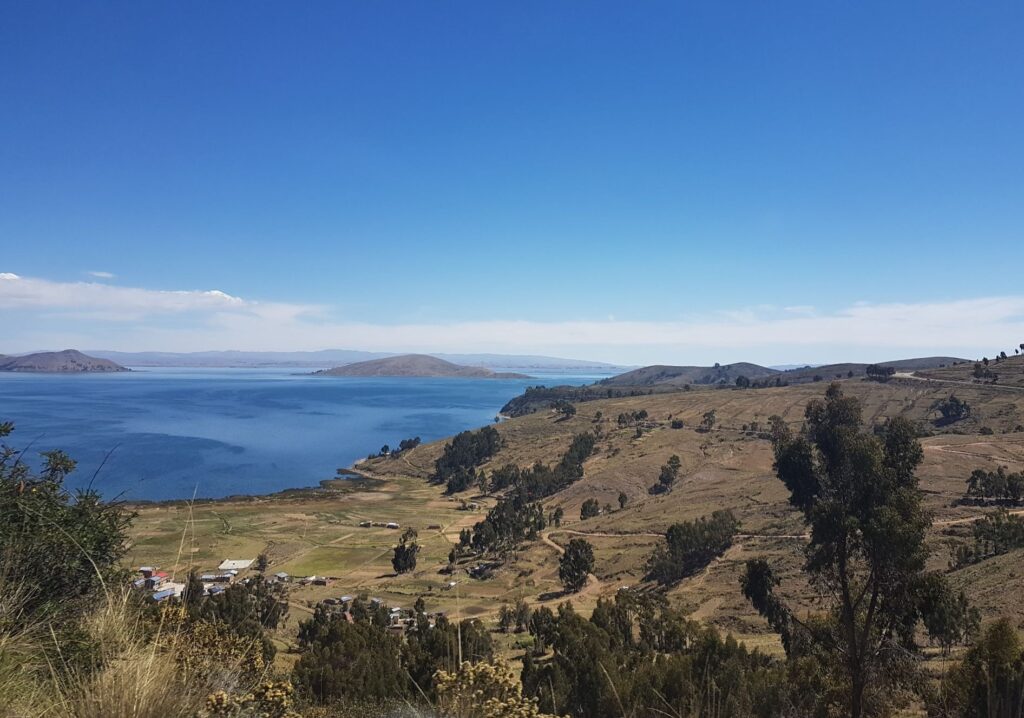
The entry point from Bolivia for us. Lake Titicaca sits at over 3,800 metres and is the highest navigable lake in the world. We didn’t go out on the water but the views passing it were amazing.
I stayed the night in Puno, got a free upgrade and went to bed early. The next day I wandered through the chaos of Puno and caught the afternoon bus to Cusco. It was the most boring bus ride of the whole trip, so bring a good book.
Cusco: more than just a base for Machu Picchu
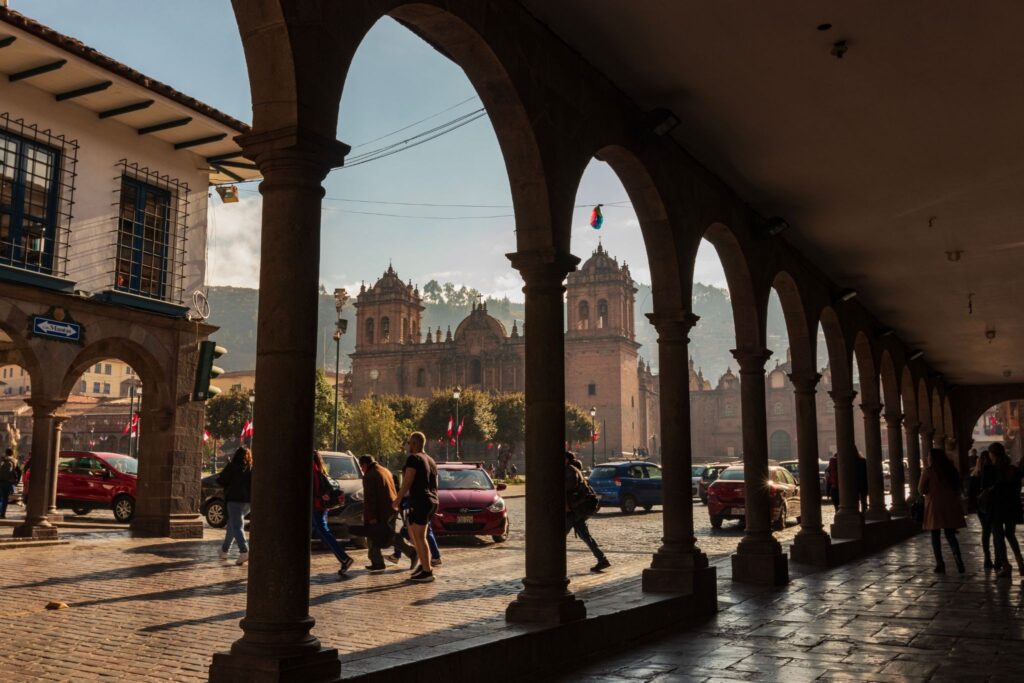
Most people treat Cusco as a waiting room for Machu Picchu, and they miss out. Inca walls hold up Spanish colonial streets, the backpacker scene is lively and there’s a tour agency on every corner. I ended up spending two weeks here in total, longer than anywhere else in Peru.
Those tour agencies taught us our first lesson. My friends and I went from shop to shop and found the Inca Jungle Trek for $175. When we went to pay, an extra 10% creditcard charge appeared out of nowhere. After making quite a scene, the four of us stormed off to another agency. Same story. In the end we withdrew cash first and finally got the real price. Time for a beer.
Give Cusco at least three days. Your body needs the time to adjust to the altitude anyway, and the city deserves it.
Machu Picchu: Peru’s Main Attraction
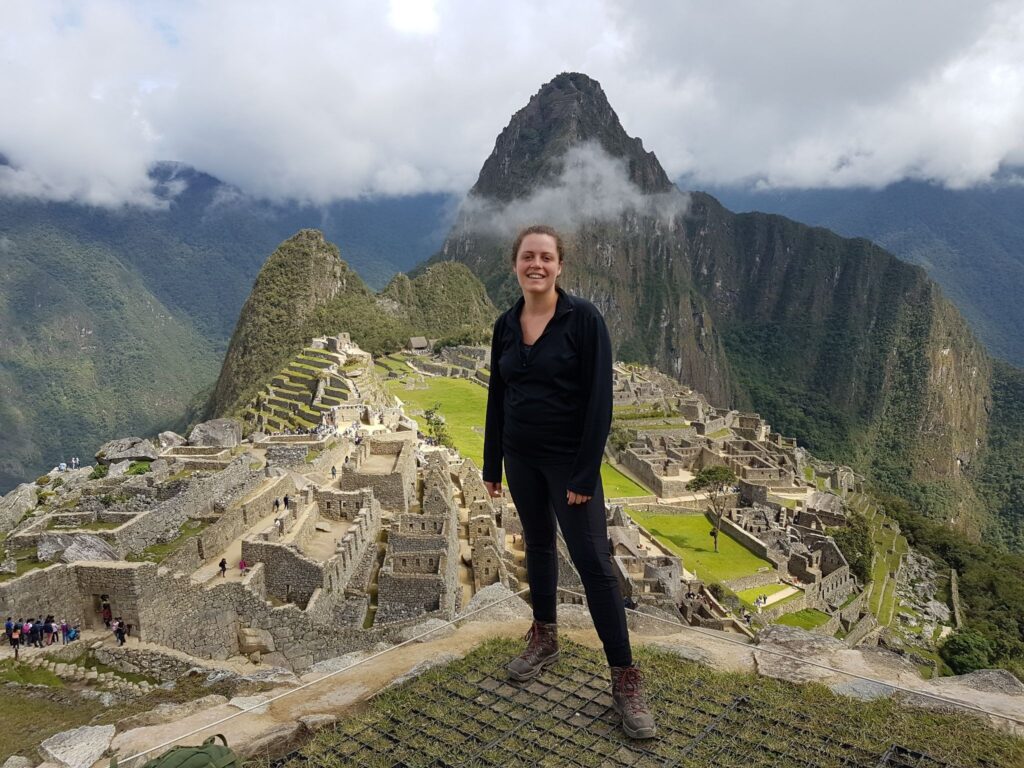
No trip to Peru is complete without it. We did the Inca Jungle Trek to get there, four days of biking, rafting and hiking before entering the World Wonder. We arrived sweaty and broken, just as tourists fresh off the train strolled past in high heels. Anyone who knows me knows nothing gets through to me at 6 a.m., so don’t ask me what the guide said.
If you have the time, skip the train and do the trek instead, it was heavy but so worth it. Read my full article about visiting Machu Picchu for everything you need to know.
Huacachina: the desert oasis straight out of a postcard
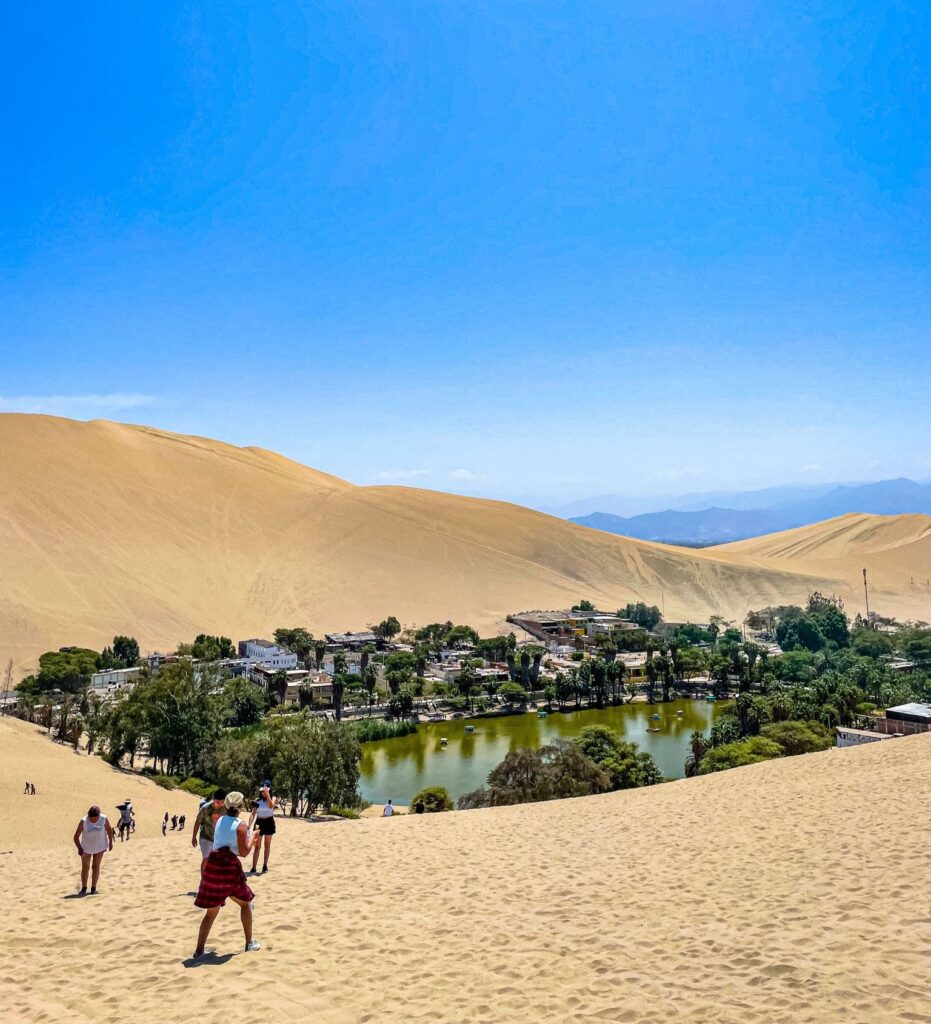
An oasis town surrounded by enormous sand dunes, about four hours south of Lima. When someone is backpacking Peru, they will almost certainly end up here for a day or two. Going down the dunes in a dune buggy or on a sandboard is one of the most fun afternoons you can have in Peru. The place is so beautiful that it almost looks fake. Don’t skip this.
Lima: the city most backpackers underestimate
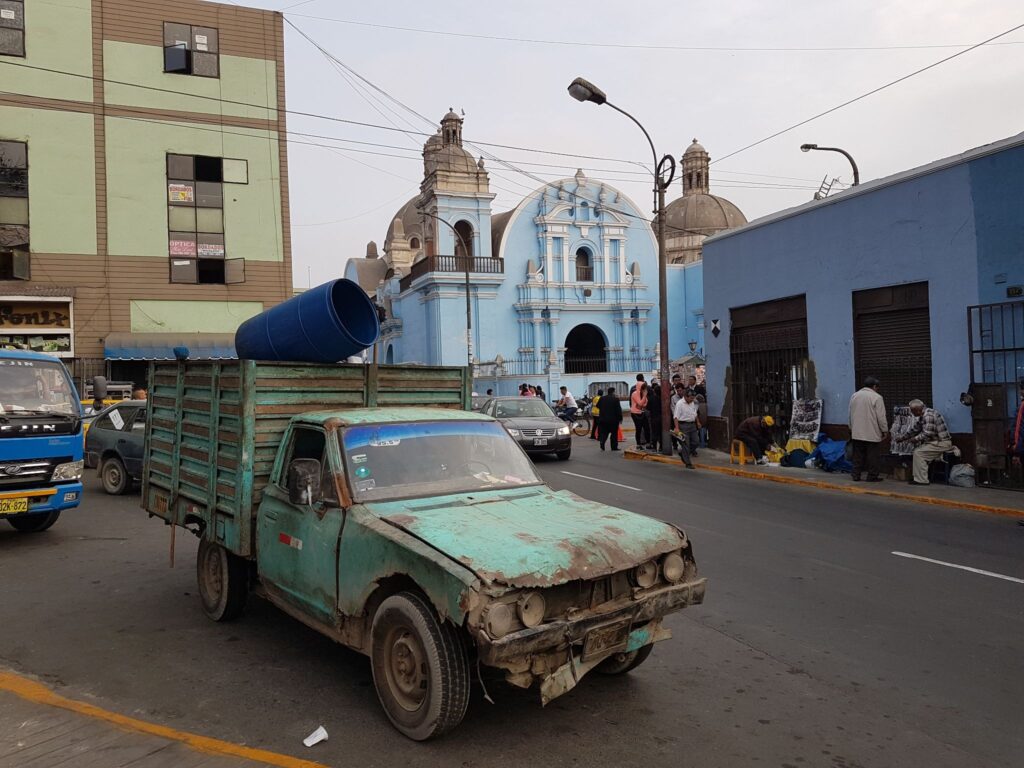
Lima has a mixed reputation among backpackers, so I expected to rush through. I liked it far more than I thought I would. We rented bikes and cycled along the clifftops of Miraflores, right above the Pacific. The food is the real reason to stay. Lima is often called one of the best food cities in the world. Even on a backpacker budget, you eat very well.
One evening we walked from Chinatown towards a park famous for its fountains. Halfway there the streetlights disappeared, and we ended up in pitch-black streets, surrounded by prostitutes and homeless people. It was the only time in Lima I felt unsafe. Stick to Miraflores and Barranco after dark and you’ll be fine.
Huaraz: snow-capped peaks and glacier lakes
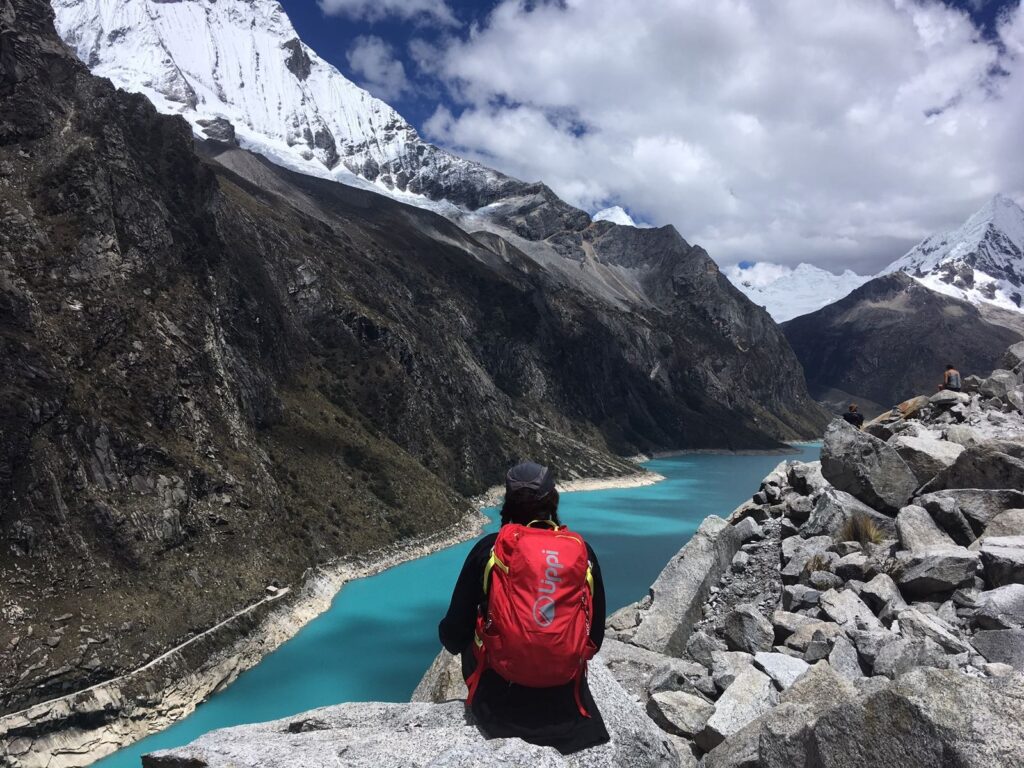
Huaraz is a mountain town in the north, surrounded by snow-capped peaks. We arrived on a night bus and took a quick nap. When we woke up, it was too late for any tour, which is what happens when you nap after a night bus. The next day we visited a glacial lagoon and got lucky with the weather. The rain only started an hour after we’d seen it.
We only had one night here and it wasn’t enough. Serious trekkers stay longer for the Huayhuash trek, which other travellers told me was the highlight of their whole trip.
Kuelap: the forgotten Inca ruin
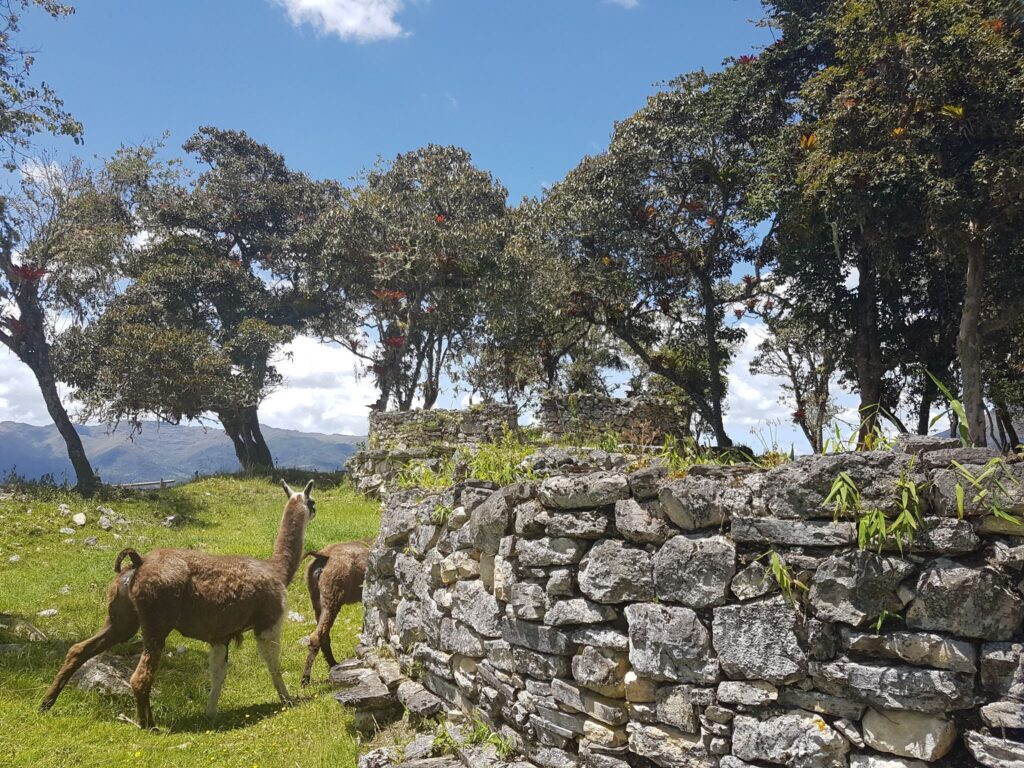
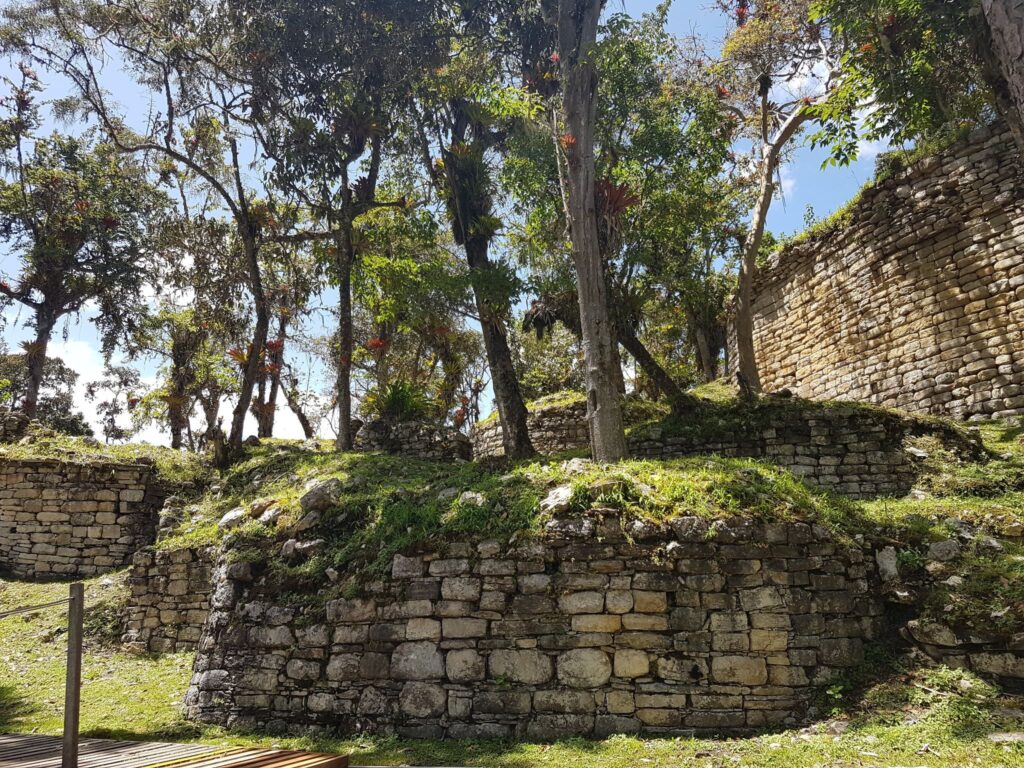
Visiting Kuelap became one of the highlights of my time backpacking Peru. It’s a 1,500-year-old fortress built by the Chachapoyas, the Cloud Warriors, long before the Inca arrived. Nature has taken it back, with moss on the walls and trees growing through the floors. Instead of mowed grass and perfect walls, fallen stones lie right where they dropped. It’s everything Machu Picchu isn’t: raw, crumbling and almost empty.
Mancora: where you finally slow down
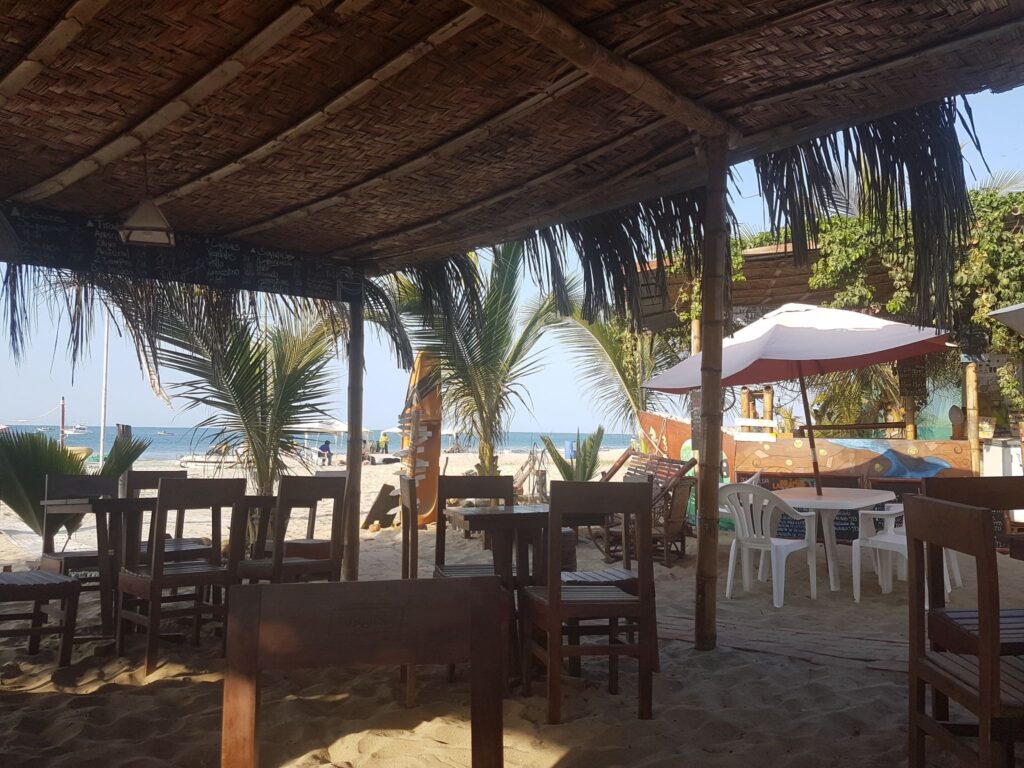
After weeks of backpacking Peru at altitude, Mancora is where you finally breathe again. This surf town near the Ecuadorian border is all warm water, cheap fish and long evenings on the beach. We loved it and stayed for four days. Come prepared though: Mancora parties hard, and it will try to take you with it.
I liked it so much that I popped over to Ecuador for a few days and came back for another four days for Christmas. Want a quieter beach day? Nearby Punto Sal is a lovely escape from the party.
Peru Trip Itinerary: How Long Do You Need?
Backpacking in Peru properly takes at least three weeks, ideally four to six. The country is big and the distances between places are long. You can squeeze the highlights into two weeks, but you’ll mostly see the inside of buses.
- Two weeks: Cusco, Machu Picchu and Lima. Maybe Huacachina if you move fast. You’ll miss the north entirely.
- Three weeks: Add Huaraz or Kuelap. You start to see a different side of Peru.
- Four weeks or more: This is where backpacking in Peru really opens up. You can go slow, take the buses that stop in interesting places and actually travel instead of ticking boxes
After backpacking Bolivia we were already quite used to the altitude. If you’re arriving from sea level, give yourself at least two days in Cusco before doing anything physical. Skipping this step is how altitude sickness ruins trips.
Good Time to Travel to Peru
Peru has a dry season and a wet season and you’ll feel the difference most in the mountains. The dry season runs from May to October, with clear skies over Cusco and Machu Picchu. This is the best time for most of backpacking Peru. The trekking routes around Huaraz are open too. June and July are the busiest and most expensive months.
The rainy season runs from November to April. The highlands get heavy rain and some routes become difficult. Machu Picchu stays open but can be shrouded in cloud for days at a time. The north coast around Mancora is warm and dry year-round, so if you’re planning a trip to Peru that ends on the coast, the timing matters less there.
The sweet spots are May and September. Dry season weather, slightly fewer tourists than peak summer and better prices on accommodation and tours. We went in December, right at the start of the rainy season. Maybe we got lucky, but it was perfectly doable: Huacachina, Lima and Mancora were nice and sunny for us. In Huaraz we had both clear skies and rain on the same day. When we arrived at Machu Picchu it was cloudy, but the clouds cleared after an hour. The plus side of December is that there are fewer tourists and hostels and buses have more space. You do have to be aware that it is a bit of a gamble in the highlands, so don’t forget your raincoat.
Peru Trip Budget: What Does It Actually Cost?
These are my actual numbers from backpacking Peru over 35 days, from Puno to Mancora. I tracked everything in a spreadsheet so these aren’t estimates and this is what I really spent.
My total for 35 days in Peru: ~€1,088. That’s around €31 per day. Here’s how that breaks down by category:
| Category | Total | Details |
|---|---|---|
| Accommodation | ~€178 | Average €7/night across 25 hostel nights (the other nights were on night buses or on tours) |
| Tours and activities | ~€213 | Inca Jungle Trek $175, chocolate workshop Lima €20, Huaraz laguna tour €13, Kuelap €5 |
| Food and drink | ~€400 | Meals, groceries, coffee and drinks |
| Going out | ~€125 | Mainly Cusco and Mancora |
| Intercity transport | ~€111 | All buses, including 7 night buses between cities |
| Local transport | ~€13 | Taxis and local buses within cities |
| Shopping | ~€199 | Includes €87 for a new backpack in Lima |
And here’s what I spent per destination:
| Destination | Days | Total | Per day |
|---|---|---|---|
| Puno | 1 | €11 | €11 |
| Pisac | 1 | €21 | €21 |
| Cusco | 14 | €448 | €32 |
| Huacachina | 2 | €50 | €25 |
| Lima | 6 | €329 | €55 |
| Huaraz | 2 | €34 | €17 |
| Trujillo | 0 | €19 | transit only |
| Chachapoyas | 2 | €34 | €17 |
| Mancora | 8 | €186 | €23 |
A few things worth knowing about these numbers:
- Lima looks expensive at €55 per day, but blame the shopping. I bought a new backpack (€87) and did some clothes shopping. Without those purchases, Lima is much cheaper.
- Cusco at €32 per day includes the Inca Jungle Trek at $175. Without the trek, the daily average drops significantly. The city itself is very affordable.
- Huacachina looks pricey for two days, but my hostel included the sandboarding tour.. When you factor that in, it’s actually good value.
Night buses in Peru: backpacking on a budget
One of the best travel hacks for backpacking in Peru is taking night buses between cities. The distances are long, the buses are comfortable and you save on a night’s accommodation while covering hundreds of kilometres in your sleep. We did this on almost every intercity journey. Here’s what the main routes cost:
Most of these routes we did overnight. A night bus costs €7-23 and saves you a hostel night at €7. The prices might have gone up since. On a long route like Trujillo to Chachapoyas, you’re essentially travelling for free once you factor in the accommodation you’re not paying for. Over 35 days in Peru we took 7 night buses, which means 7 fewer hostel nights on the bill.
| Route | Cost | Night bus? |
|---|---|---|
| Cusco to Ica | €23 | Yes |
| Ica to Lima | €13 | Yes |
| Lima to Huaraz | €15 | Yes |
| Huaraz to Trujillo | €12 | Yes |
| Trujillo to Chachapoyas | €17 | Yes |
| Chachapoyas to Chiclayo | €15 | Yes |
| Chiclayo to Mancora | €7.50 | Yes |
Is Peru Safe to Travel to?
For most of backpacking in Peru, yes. We felt safe the vast majority of the time and never had any serious problems. A few things worth knowing:
- Altitude: I think the biggest health risk for most travellers is altitude sickness, not crime. Cusco sits at 3,400 metres and some people react badly. Take at least two days to acclimatise before doing anything strenuous. Coca tea and coca leaves help and are available everywhere.
- Cities: Lima felt generally safe in Miraflores and Barranco. Our one uncomfortable moment was walking through an unlit area near Chinatown after dark. Common sense applies: don’t walk alone in unfamiliar areas at night, keep valuables out of sight and trust your instincts. The same goes for Cusco.
- Buses: Use reputable companies for overnight journeys. Cruz del Sur and Oltursa are the most reliable. The cheaper companies cut costs on maintenance and driver hours, which matters on mountain roads.
- Scams: The most common issue is being overcharged or sold fake tours. Always compare prices between multiple agencies and confirm what’s included.
- The north: Chachapoyas and the far north felt very safe and relaxed. Mancora is a party town so take the usual precautions at night, but nothing unusual.
Before planning a trip to Peru, look into travel insurance. Medical costs can be high if something goes wrong and altitude sickness occasionally requires hospital treatment. It’s worth having cover that includes emergency evacuation.
Getting Around Peru
Getting around is straightforward once you understand how the system works. These are the main options:
- Night buses: the backbone of backpacking in Peru. Book through the bus company directly or at their terminal. For anything over 8 hours, pay for a cama seat (fully reclining). Cruz del Sur and Oltursa are the most reliable companies.
- Collectivos: shared minibuses between smaller towns. Very cheap, less comfortable, but much faster than regular buses on shorter routes.
- Domestic flights: worth it if time is short. Lima to Cusco takes an hour by air and 21 hours by bus. Prices are sometimes surprisingly low if you book ahead.
- Trains: the train from Ollantaytambo to Aguas Calientes for Machu Picchu is the most famous route and can be expensive. Book well in advance.
Final Tips for Backpacking Peru
- Learn some Spanish. Outside Cusco and Lima, English is limited. Even basic Spanish changes how people treat you and what you pay.
- Carry cash. Many places outside the big cities don’t take cards and ATMs in small towns run dry or charge high fees. Withdraw in Lima or Cusco before heading north.
- Don’t rush Cusco. Everyone races to Machu Picchu, but Cusco deserves more time than most people give it. The city is fascinating, the food is good and your body needs the acclimatisation time anyway.
- Machu Picchu tickets. Book the Inca Trail early, the Jungle Trek late. The Inca Trail and Salkantay sell out months ahead. The Inca Jungle Trek you can book in Cusco, and the price is very negotiable.
- Take the night buses. Long distances are unavoidable when you’re backpacking Peru. Taking overnight buses saves you a hostel night and you wake up at your next destination. Of our 35 days in Peru, 7 nights were spent on buses instead of in a hostel. It sounds rough but the buses are comfortable and it becomes second nature quickly.
- The north is worth it. Most people do Cusco, Machu Picchu and Lima and call it done. Huaraz, Chachapoyas, Kuelap and Mancora are where Peru surprised us most. It takes more effort but the crowds drop and the experience changes completely.
Conclusion
Peru gave me burning legs at Machu Picchu and sand in places sand shouldn’t be. It also gave me a fortress in the clouds I still think about. It felt like several countries in one, and cheap enough to stay longer than planned.
Planning a trip to Peru doesn’t need to be complicated. Pick a direction, give yourself time and let Peru do the rest. Just bring a raincoat.